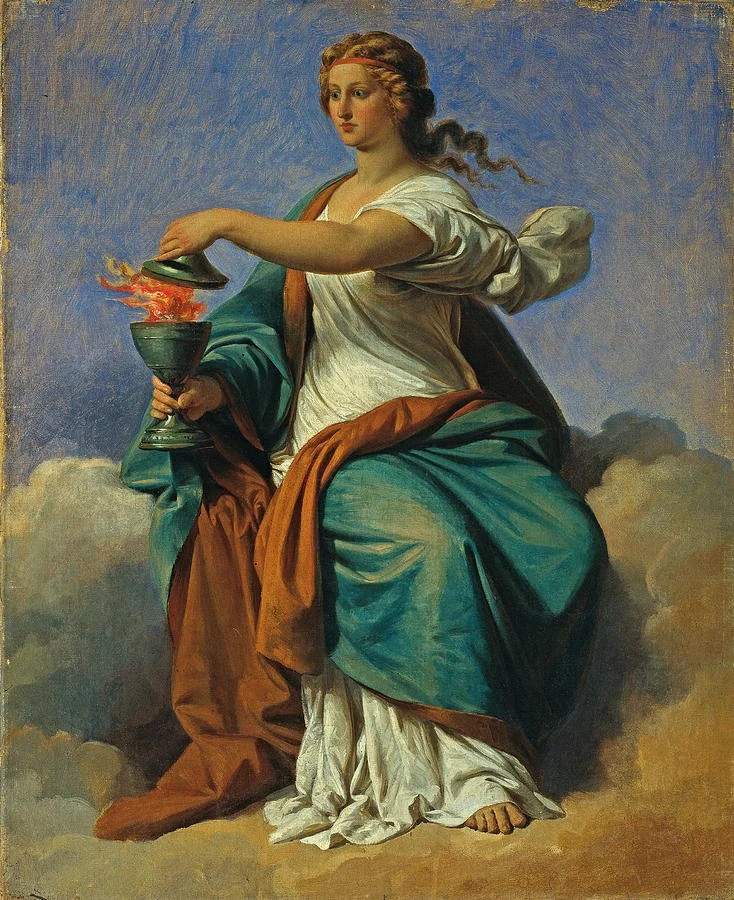
Temperance
The virtue that responds to selfish voice of “it’s my right to hurt myself and other people”
It is self-control. Knowing when to stop. Not recklessly disregarding the rights and dignity of others or yourself …
modesty is considered a part (or “daughter” or “fruit”) of the virtue of temperance. temperance acts as a brake or filter on pleasure and behavior. it puts a lid on our desires.
First Espitle to the Corinthians 13:4-8
4 Love is patient and kind; love does not envy or boast; it is not arrogant 5 or rude. It does not insist on its own way; it is not irritable or resentful; 6 it does not rejoice at wrongdoing, but rejoices with the truth. 7 Love bears all things, believes all things, hopes all things, endures all things.
In Catholic moral philosophy, modesty is closely connected to the cardinal virtue of temperance (also called moderation or self-control). Temperance is one of the four cardinal virtues (prudence, justice, fortitude, and temperance) and governs our appetites and desires, ensuring they remain ordered and not excessive.
This relates even to permitted enjoyments or licit pleasures or activities (e.g. things that are not bad in of and themselves but by excess become sinful). For instance, conversation becomes bad when it is excessive, cynical, ironical, and irritating. Dieting become sinful when it results in anorexia. Alcohol is considered harmful when done to excess (like, historically, smoking and, today, vaping).
Dress and manner can likewise become intemperate.
The Catechism of the Catholic Church:
1809 Temperance is the moral virtue that moderates the attraction of pleasures and provides balance in the use of created goods.
… Keep love whole through temperance. It follows God, and is careful in thought to avoid deceit and trickery (prudence) …
"Purity requires modesty, an integral part of temperance. Modesty protects the intimate center of the person. It means refusing to unveil what should remain hidden." (CCC 2521–2522)
The intemperate person does not know when to stop. He bewilders and concerns others. He is the model of bitter zeal (James 3:14 yet, if you have bitter zeal, and rivalry in your heart, do not glory, nor lie against the truth). Instead of winning people, he only frustrates and burns them out. In a sense, the intemperate man might be ignorant confusing vice for virtue - by believing that the good lies in excess, extremism, uncharity (Romans 10:2, “they have a zeal for God, but not according to knowledge”). The answer lies in temperance, wisdom and knowledge.
“Pursue peace with all people, and holiness, without which no one will see the Lord: looking carefully lest anyone fall short of the grace of God; lest any root of bitterness springing up cause trouble, and by this many become defiled.” Hebrews 12:14-15.
St. Thomas Aquinas, whose treatment in the Summa Theologiae (II-II, q. 160) notes that temperance can be seen to moderate sensual desires and pleasures such as food and drink. Those virtues are abstinence (against excessive eating and drinking) and chastity (against hyper-sexuality).
Modesty: the Outward (Virtue) Face of Temperance
Modesty pertains to outward appearance and humbleness (Micah 6:8 - Mankind, he has told each of you what is good and what it is the Lord requires of you: to act justly, to love faithfulness, and to walk humbly with your God.)
Our bearing, speech, appearance, attitude all require moderation to avoid excessive and exhbitionistic behavior.
From temperance and a well-ordered life (the good life we seek) we also develop modesty which protects our chastity and humility by preventing excess.
vanity, exhibitionism, self-importance, vain-glory, provocative or obscene behavior, or drawing inappropriate attention to oneself opposed to humility, decorum, and respect
Just as too little clothing is problematic, so is too much without context. One who dresses inappropriately attracts unnecessary attention and the gaze of others by being histrionic. Modesty does not mean women and men are not allowed to invest appropriate time and energy into their attire (e.g. what they will wear) and be pleasing to others and company by creativity and ingenuity (e.g. appropriate fashion & appropriate costume). 1 Corinthians 10:31 “Therefore, whether you eat or drink, or whatever you do, do all things for the glory of God.”
The under-dressed person can be immodest and so can the overly-dressed person. The root cause is the same. The Church warns against sinful attitudes toward clothing or using clothing (or lack thereof) to promote sin (intent/context). It does not forbid appropriate fashion, socializing, costume and theatre.
“My yoke is easy and my burden is light" (Matthew 11:30). Moral theology should not be unreasonable. “The forms taken by modesty vary from one culture to another.” — Catechism of the Catholic Church 2524. This means that how modesty is expressed in dress and behavior can look different depending on local customs, climate, and social norms, even though the virtue of modesty itself is constant and grounded in human dignity and chastity. Even a Muslim woman can uncover her hair, arms, and legs at home and around family - all these can be uncovered. Fr. Prummer's Handbook of Moral Theology said great care is required regarding context particularly to avoid upsetting delicate & tender consciences who might see sin where there is none.
Modesty isn't limited to clothing. It includes:
Interior modesty — humility, avoiding pride or exaggerated self-importance.
Exterior modesty — reasonable restraint in dress, gestures, laughter, speech, recreation, and social presentation.
Avoiding both extremes: shamelessness (excess) and excessive bashfulness (defect).
We must not confuse temperance with quietism, indifference, laziness or sloth. Rather temperance concerns harmful excess. Zealousness is praiseworthy, while reckless disregard for the rights and feelings of others is not (1 Corinthians 8:9 Be careful, however, that your freedom does not become a stumbling block to the weak.)
It is not cowardice (vs. pride and excessive ambition), timidness (vs. brazen disregard) weakness (vs. boastful pride of life 1 John 2:16) to refuse to engage in behavior that is intemperate. Instead, it is prudent (wise), considerate (loving & patient) and pleasing to God (trusting and faithful).
In sum, it might all really be down to common-sense. We know we ought not harm ourselves and others through irresponsible behavior. The negative thoughts that goad us on to self-destruction or self-harm need to be processed appropriately to avoid acting on them. Call this temperance, call this virtue, or simply being a good person. We should all know, recognize and feel what this is. It is simply behaving appropriately and doing what’s right.
When someone has sinned against us, there is debate regarding the forgiveness that is required.
There is Conditional Forgiveness (Repentance of other Required)
God forgives us when we repent.
Therefore, we should forgive others when they repent.
Without repentance, reconciliation cannot occur.
Citing:
Luke 17:3 — “If he repents, forgive him.”
The sacrament of confession in Catholic theology.
This view strongly distinguishes forgiveness from merely “letting go of anger.”
&
Unconditional Interior Forgiveness
Citing:
Jesus saying “Father, forgive them” from the cross.
The Lord’s Prayer: “Forgive us… as we forgive…”
In this view forgiveness is about your heart before God, not the offender’s behavior. Reconciliation and trust are separate issues. You must forgive in your heart regardless of repentance. Forgiveness means releasing resentment and revenge. Reconciliation may require repentance, but forgiveness does not.
Catechism 2843 “Thus the Lord's words on forgiveness, the love that loves to the end,142 become a living reality. The parable of the merciless servant, which crowns the Lord's teaching on ecclesial communion, ends with these words: "So also my heavenly Father will do to every one of you, if you do not forgive your brother from your heart."143 It is there, in fact, "in the depths of the heart," that everything is bound and loosed. It is not in our power not to feel or to forget an offense; but the heart that offers itself to the Holy Spirit turns injury into compassion and purifies the memory in transforming the hurt into intercession.”
The second view seems to align more with the Church Fathers and Aquinas who say that while forgiveness does not erase justice, one cannot hold onto resentment. Forgiveness refuses to will revenge, even if reconciliation is not required. You must still love neighbor as self, but this is not the same as restoring friendship if someone isn’t sorry. So while we forgive without repentance, we do not necessarily ignore the wrongdoing for the sake of justice and prudence, nor do we have to resume friendship, try to, or trust the other person (again not out of a hateful spirit, but out of prudence).
John 2:24 “But Jesus did not entrust Himself to them, for He knew them all. 25 He did not need any testimony about man, for He knew what was in a man.”
Forgiveness -> Your heart (charity) -> Repentance not required
Reconciliation -> Restored friendship -> Repentance required
Trust -> Reliance on someone’s character -> Repetance required
So there is forgiveness and then reconciliation (relational forgiveness). If a sinner isn’t sorry, then we can’t be reconciled with them (and we may struggle to trust them), but we are still required to forgive from the heart as much as possible (to be free of the root of bitterness), love our enemies (because God does) and leave it to Justice (do not avenge yourselves, but leave it to God’s justice). We are not allowed to endanger ourselves, but we can still do what is required to be Pure of Heart and free from wrath and anger.
Passion of Jesus Christ
Jesus said, “Father, forgive them, for they do not know what they are doing.” Luke 23:34
Death and Martyrdom of St Stephen
Stephen fell on his knees and cried out, “Lord, do not hold this sin against them.” When he had said this, he fell died. Acts 7:60
As St Augustine notes the hating part of our hating a person is often worse for us than what the other person has done to cause our hatred because it is lingering, vengeful and causes mental health problems. In a sense, our angry emotion towards society and a person can be more damaging to us than what they have done unless it is properly channeled.